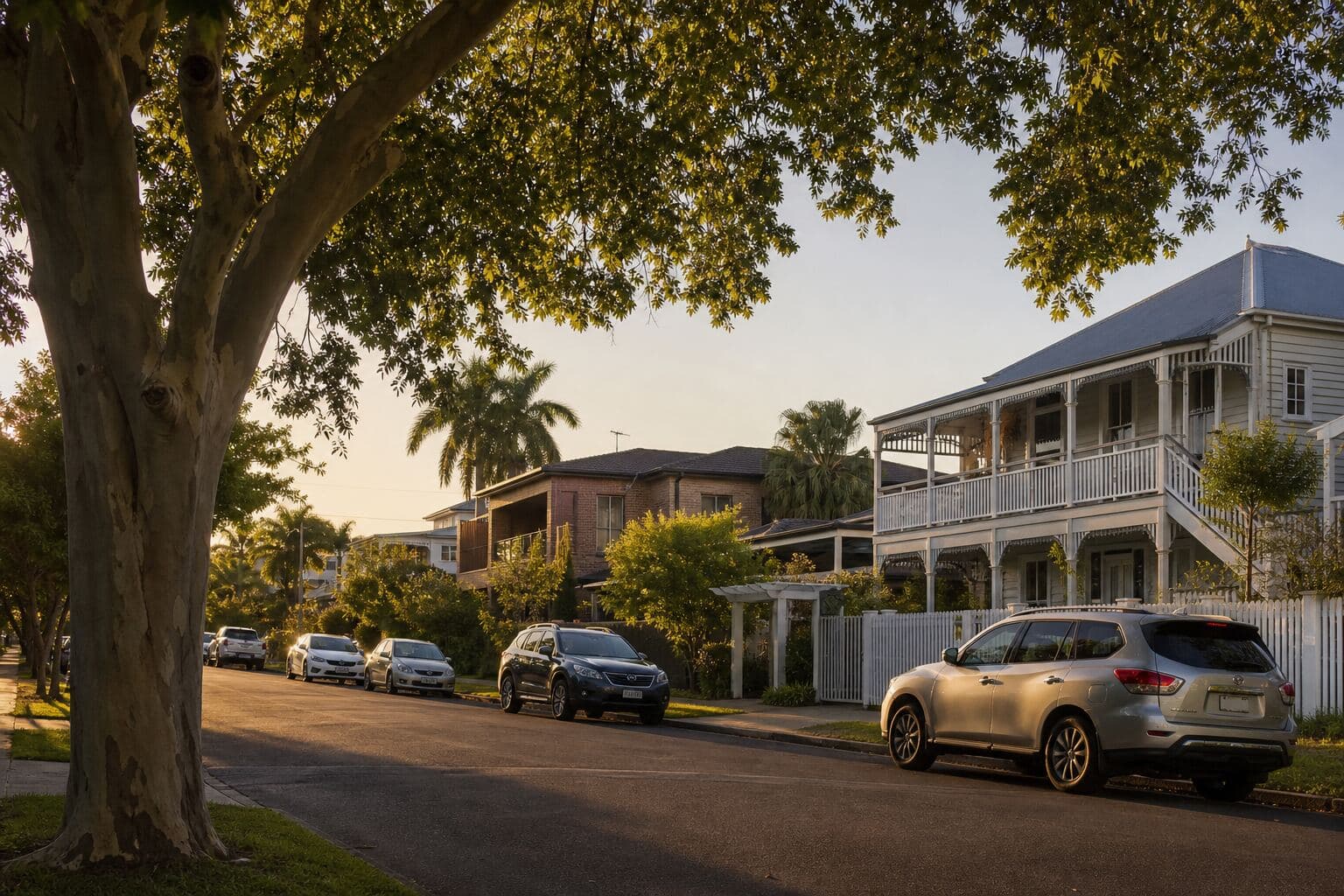
See What the Listing Does Not Tell You.
Overlays, nearby DAs, flood and easement risks, neighbourhood outlook, and condition gaps, before you bid. Price estimates included. Start by exploring live listings on the map below.
Live market map
Explore live sales & auctions on the map
Pan and zoom: listing clusters split into pins as you explore. Open any property for overlays, risks, and neighbourhood research.
1,359,541
Properties Tracked
8
Live Data Sources
8 states & territories
Every State & Territory
From $2
Per Credit
What buyers need before they bid
The unknowns that change your offer
Price matters, but overlays, nearby development, flood and easement risk, neighbourhood outlook, and condition gaps often matter more.
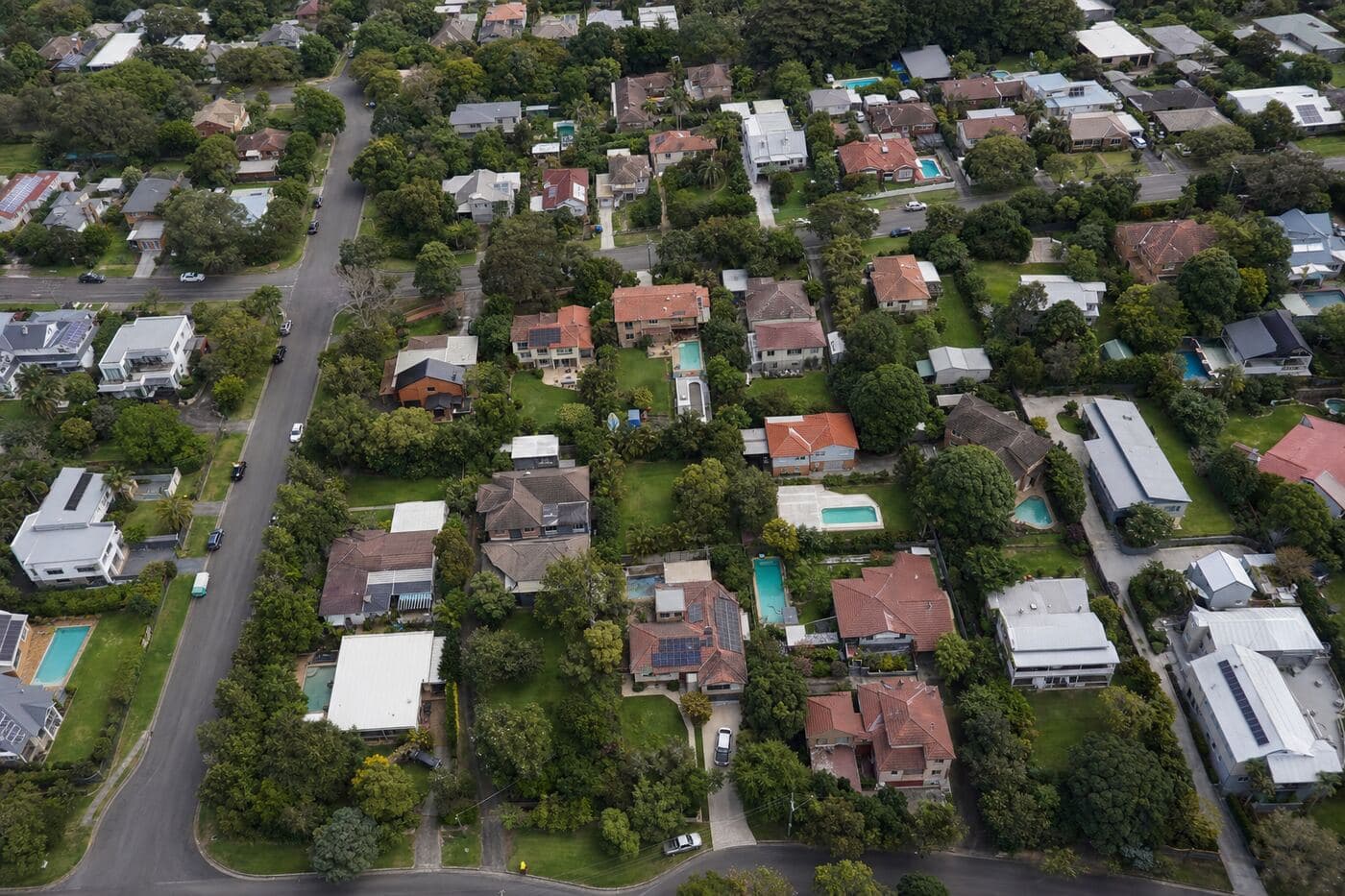
Planning overlays
Heritage, character, zoning, and flood flags that change demolition, extensions, and DA pathways.
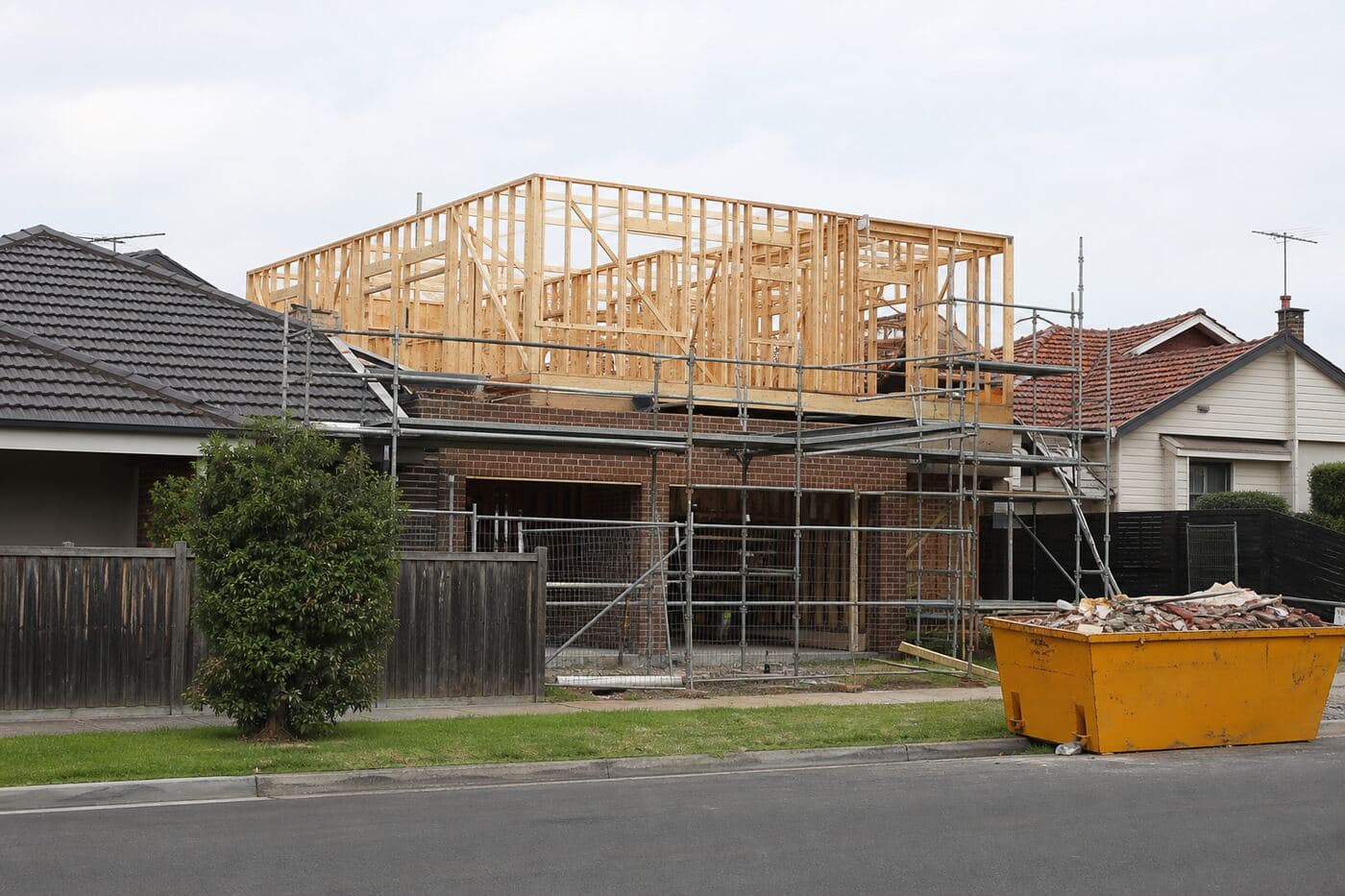
Nearby DAs
See what is approved or pending around the street, not just the listing photos.
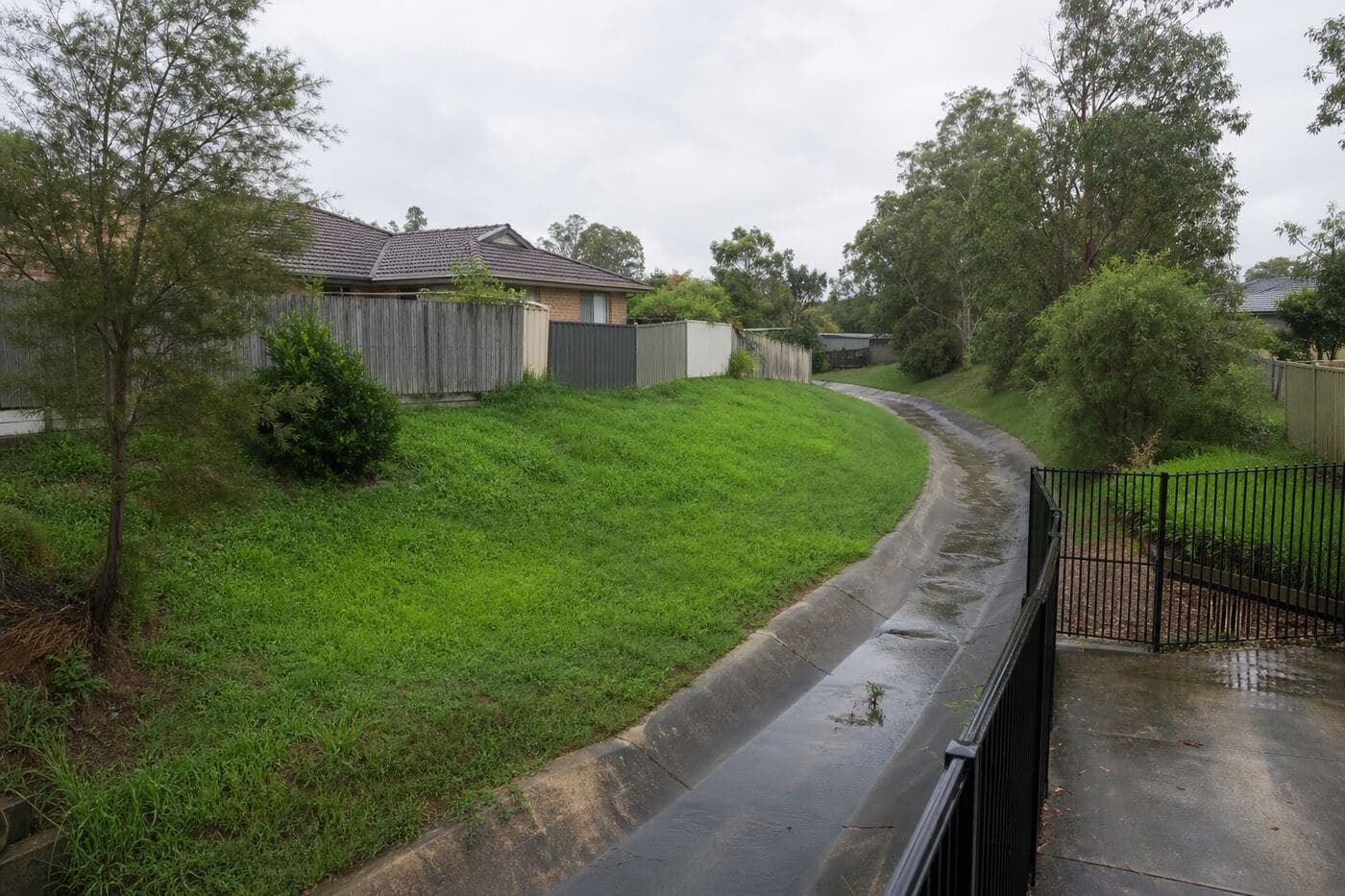
Flood & easements
Know if flood overlays or easements shrink what you can actually do with the block.

Neighbourhood outlook
Suburb growth, character, infrastructure timing, and liveability context for families and investors.
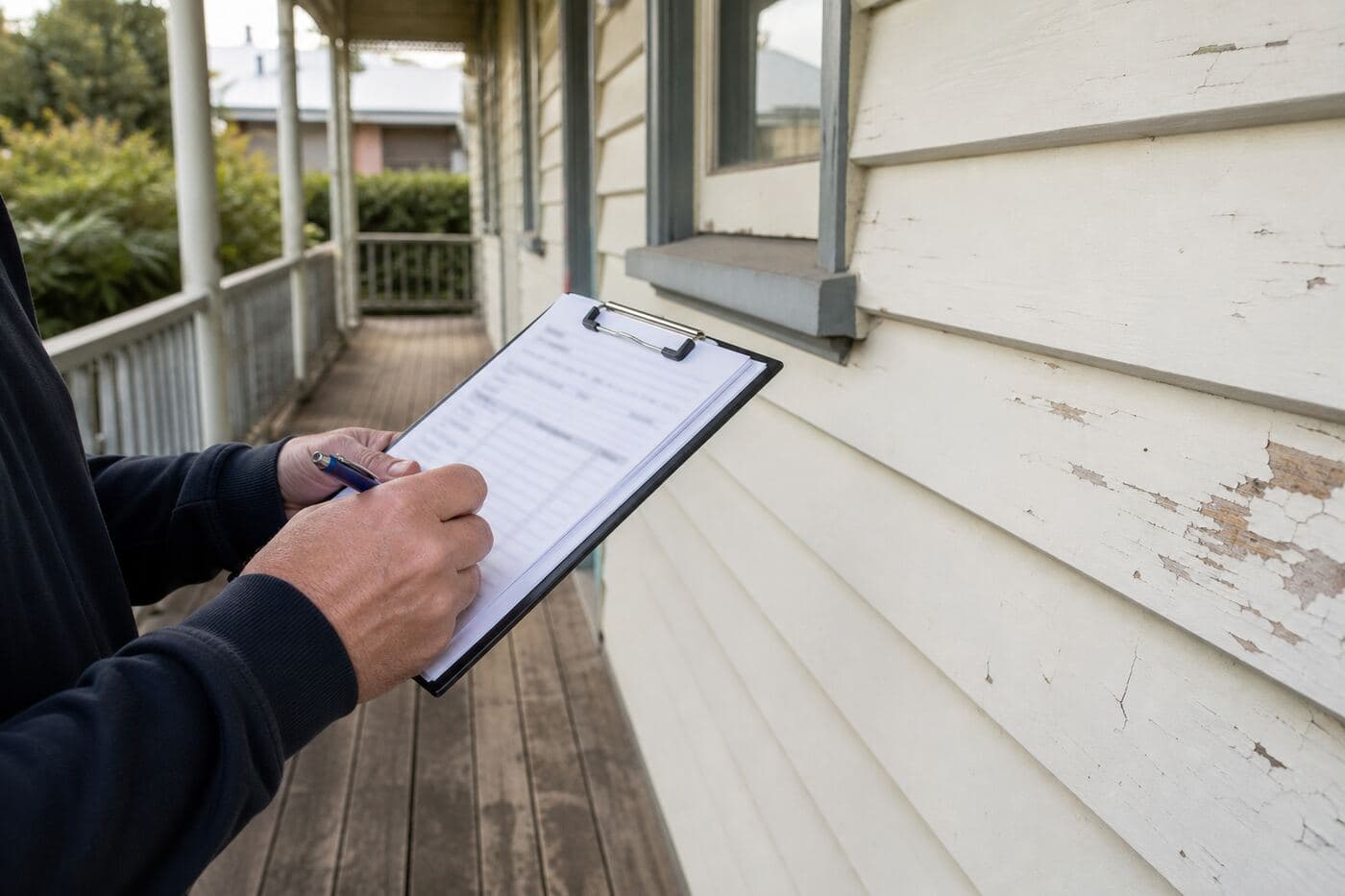
Condition gaps
Structural and renovation warnings plus a clear list of what still needs a professional search.
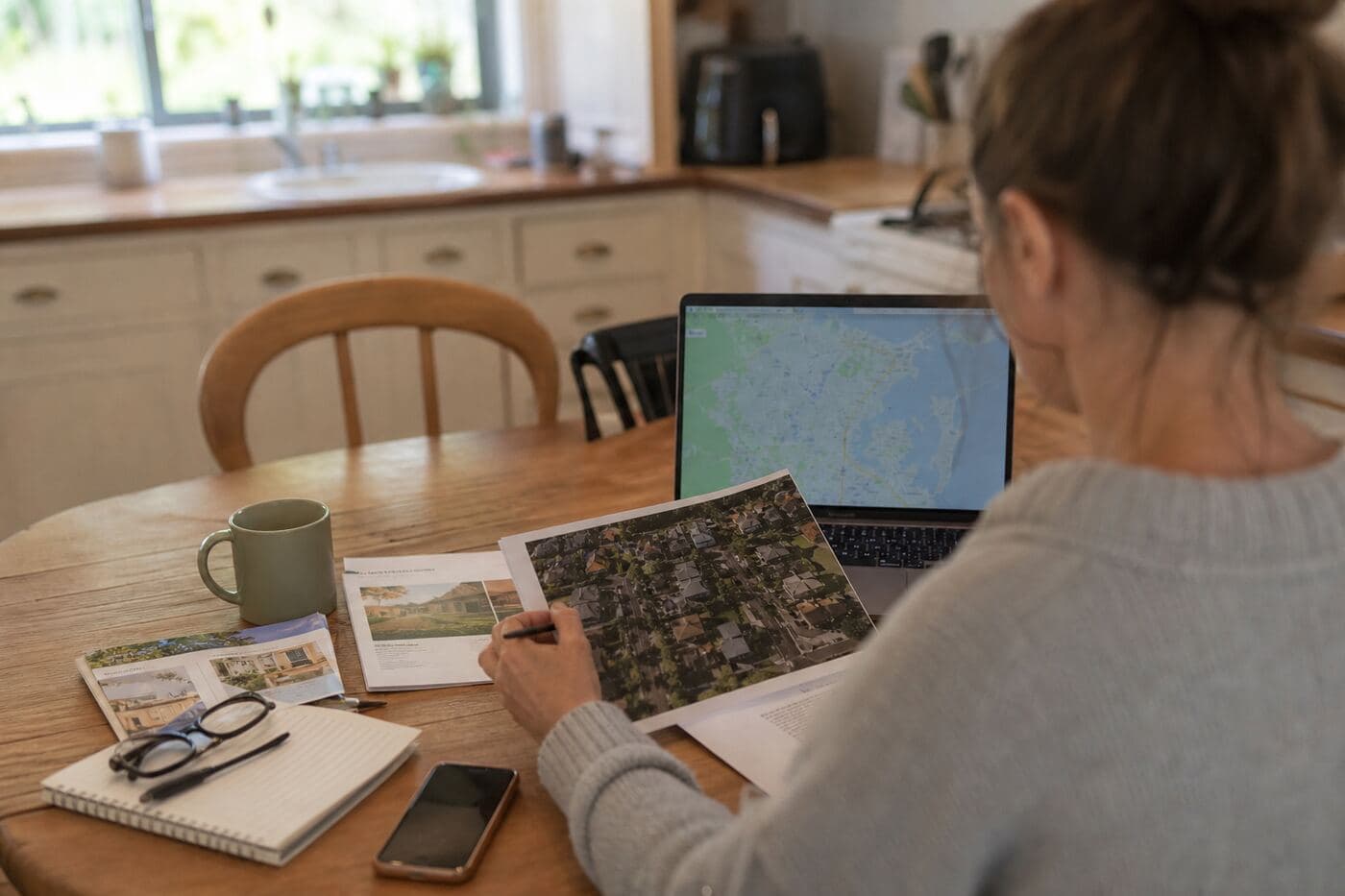
Max bid with evidence
A recommended maximum bid tied to comps and the risks that should pull your number down.
What You’d Normally Pay Professionals For
PropertyLens gives you access to the same public information that these professionals charge for, all in one place.

Town Planner
$300 - $800Zoning, overlays, what you can build
Property Valuer
$300 - $600Comparable sales, price estimate
Buyer's Agent
$5,000 - $15,000Suburb research, property shortlisting
Conveyancer
$800 - $2,500Flood checks, easements, overlays
Quantity Surveyor
$600 - $1,500Renovation and build cost estimates
Real Estate Agent
Free (but biased)Market data, comparable sales
Then when you do engage these professionals, you’ll walk in already informed. Better questions, faster decisions, and less time (and money) spent getting up to speed.
Always Free
- Browse suburb profiles, median prices, and growth trends
- View market overview and recent sales
- Track upcoming auctions and clearance rates
- See estimate accuracy results
1 Credit ($2) Each
- Price estimate with comps, verified against real sales
- Renovation and build cost estimates with ROI breakdown
- Planning and zoning overlay checks
- Downloadable PDF investment report
Deep Research ($20)
10 credits
- Full investigation across 7 research groups
- Easement analysis, flood risk, heritage & character overlays
- Nearby DAs, suburb outlook, school context, infrastructure
- Rental yield, condition assessment, and recommended max bid
- Pre-purchase checklist with data verification and sources
Price is one factor
Price estimates with transparent evidence
PropertyLens blends comparable sales, feature adjustments, and market context into a transparent estimate range. Use it alongside overlay, risk, and neighbourhood research, not as the only reason to buy.
Every estimate is tracked against the actual sale price once the property sells. Results are published on our public accuracy dashboard so you can see real performance data, not marketing claims.
Comparable sales
Recent sales adjusted for property differences
Feature adjustments
Attributes scored against suburb benchmarks
Market context
Listing description, risk factors, and local conditions
Public accuracy
Tracked against actual sale results over time
What’s Inside a PropertyLens Report
Overlays, risks, neighbourhood context, condition gaps, and price evidence, from publicly available data.
Planning, Zoning & Easements
See zoning, overlays, heritage listings, council development rules, and easement restrictions on any lot. Deep research reports synthesise easement coverage, development constraints, and what still needs a professional search.
Deep Research Reports
A full pre-purchase investigation across 7 research groups: easements and encumbrances, flood risk (river and overland flow), heritage and character overlays, nearby development applications, suburb outlook, condition gaps, and a recommended maximum bid, with cited sources and a clear list of what still needs a professional search.
Suburb Profiles & Market Data
Browse median prices, growth trends, demographics, school context, and development activity for any suburb. The same public data agents and valuers use, available to you for free.
Renovation & Build Cost Estimates
Find out what a renovation, knock-down-rebuild, or extension would actually cost. Broken down by trade, with ROI estimates so you can budget with confidence.
Recent Sales & Auction Results
See what properties actually sold for in your area, not asking prices. Track auction results, clearance rates, and days on market like a local agent would.
Price Estimates
Comparable sales, feature adjustments, and qualitative market context blended into a transparent estimate range. Verified against actual sales with a public accuracy dashboard. Includes $/m² analysis, condition-tier pricing bands, and interest rate impact modelling.
How It Works
No real estate experience needed. Three steps to professional-level property research.

Search Any Property
Type in an Australian address or browse suburb profiles. Free market data is available instantly, no account needed.
Get Your Research Report
Use credits to run analyses: price estimates ($2), build costs ($2), or a full deep research report ($20) covering overlays, easements, flood risk, nearby DAs, condition gaps, suburb outlook, and a recommended max bid.
Engage Professionals From a Position of Knowledge
Take your report to your solicitor, valuer, or buyer's agent. You'll ask better questions, save time in consultations, and avoid paying to learn the basics. Export a PDF to share directly.

Live Across All of Australia
1,359,541 properties tracked across 17,492 suburbs in 8 states & territories. Research any property in Australia.
Queensland
New South Wales
Victoria
South Australia
Western Australia
Tasmania
Australian Capital Territory
Northern Territory
Simple, Transparent Pricing
Pay-as-you-go credits for most buyers. Optional Buyer Pass and API plans if you need more. No lock-in on credit packs.
Credits (from $2)
Spend only when you need a paid analysis
10 Credits ($20) Deep Research
Full pre-purchase investigation per property
All prices in AUD. Secure checkout via Stripe. 1 free price estimate + 1 free detailed report on signup.
Frequently Asked Questions
Do I need real estate experience to use PropertyLens?
Not at all. PropertyLens is built specifically for everyday homebuyers and first-time investors. We translate the kind of professional data that agents, valuers, and solicitors use into plain-English reports anyone can understand.
What information do I get that I'd normally need a professional for?
A deep research report covers what you'd typically need from multiple professionals: easement analysis and lot encumbrances (surveyor), planning and zoning checks (town planner), comparable sales and $/m² analysis (valuer), flood risk for both river and overland flow (conveyancer), nearby development applications, suburb outlook and school context, infrastructure impact, condition and structural gap warnings, rental yield analysis, interest rate impact modelling, and a recommended maximum bid with cited sources. Findings come from public open data plus source-cited web research. Many items are indicators only, and the report lists which certificates and professional searches you still need.
How much does it cost?
Basic suburb browsing, market data, auction tracking, and planning overlays on the map are free. Address price estimates cost 1 credit ($2 AUD). Deep research reports cost 10 credits ($20). Renovation and build cost analysis costs 50 credits (~$100). Optional Buyer Pass ($39 / 14 days) and API plans are available if you need more. New accounts get 1 free price estimate and 1 free detailed report. No card required to start.
Is this a replacement for a solicitor or valuer?
No. PropertyLens is a research tool, not a licensed valuation or legal service. Think of it as doing your homework before you engage professionals. When you walk into a meeting with your solicitor or valuer already understanding the zoning, comparable sales, and flood risk, you spend less time (and money) getting up to speed. Many buyers use PropertyLens to shortlist properties and go into professional consultations better prepared.
Will this actually save me money on professional fees?
It can. When you already understand a property's zoning, overlays, comparable sales, and risks before meeting a solicitor, conveyancer, or valuer, those consultations become shorter and more focused. You're not paying a professional to explain the basics. You're paying them to advise on what you've already researched. Buyers who come prepared typically spend less time and get more targeted advice.
Where does the data come from?
We aggregate public open data and licensed sources documented on our Data Sources page, including council planning portals, state government registries, ABS census data, and market feeds. Planning overlay depth is strongest where councils publish open spatial data (especially Brisbane City Plan), and coverage varies by state.
How accurate are the price estimates?
Every estimate is tracked against the actual sale price and our accuracy dashboard is publicly visible. We are transparent about where we get it right and where estimates vary. Price is one factor in a purchase decision. Use it alongside overlay, risk, and neighbourhood research.
What areas does PropertyLens cover?
PropertyLens is live across all of Australia: 1,359,541 properties and 17,492 suburbs across 8 states & territories. Queensland, New South Wales, Victoria, South Australia, Western Australia, Tasmania, ACT, and the Northern Territory are all covered with suburb profiles, market data, and property research tools.
Important: PropertyLens is a research tool that uses publicly available data. It is not a licensed valuation service, financial advisor, or legal service. All reports and price estimates should be used alongside professional property valuations, building inspections, and qualified legal and financial advice before making any purchase decisions.
Know the risks before you bid
Uncover overlays, nearby DAs, flood and easement risks, and neighbourhood outlook before you commit. Then go to your solicitor, valuer, or buyer’s agent already prepared. Sign up in 30 seconds, get 1 free credit.
Try It Free